
Faculty of History
The Oxford Historian
Past Issues
Articles

Oxford Policy Engagement Network (OPEN) & The History Faculty - Historical expertise and the shaping and evaluating of foreign policy
How might we make better use of historical evidence and expertise in shaping and evaluating foreign policy? It is one of the questions that lie at the heart of my Oxford Policy Engagement Network (OPEN) Visiting Fellowship,

Re-imagining Democracy 1750–1860
The Re-imagining Democracy project addresses a simple question: how did it come about that, whereas in the middle of the eighteenth century people who talked about ‘democracy’ were normally talking about the ancient world -- about Greece or republican Rome, when a hundred years later they used the word to talk about modern circumstances and possibilities? Or, in short form ‘how did democracy become modern?’
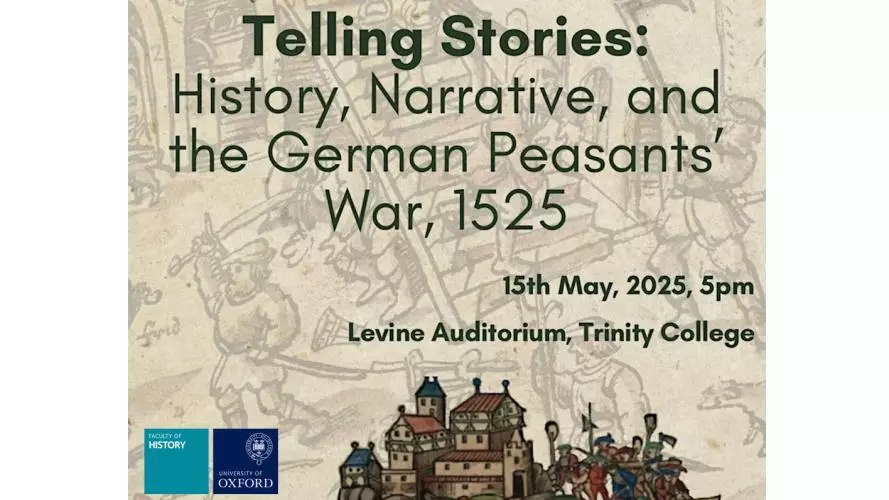
Regius Valedictory Lecture: Telling Stories: History, Narrative, and the German Peasants’ War, 1525
This lecture, on the 500th Anniversary of the Battle of Frankenhausen when the peasants were defeated, explores how people at the time wrote the history of 1525. The answers they found raise for us the question: how do we write history today?
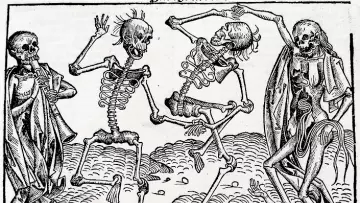
Society, economy and the law in fourteenth-century England
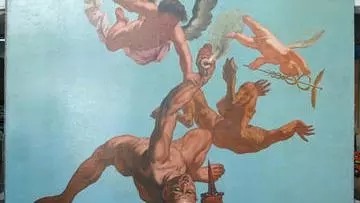
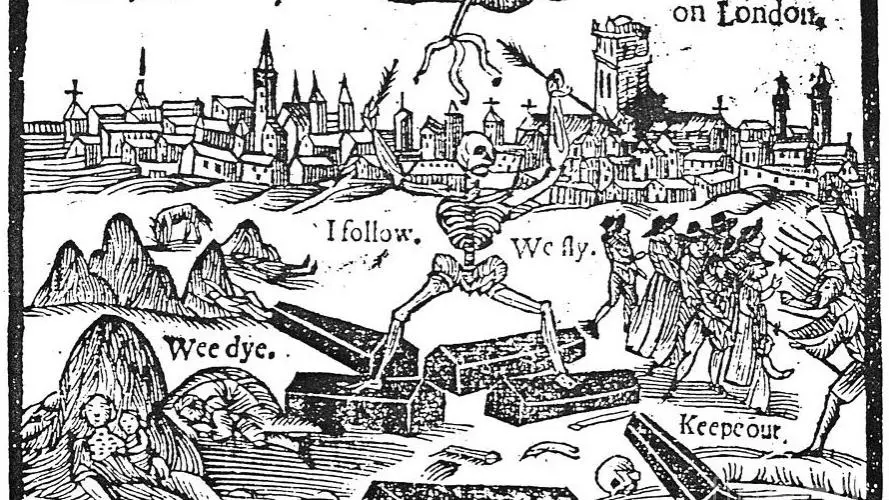
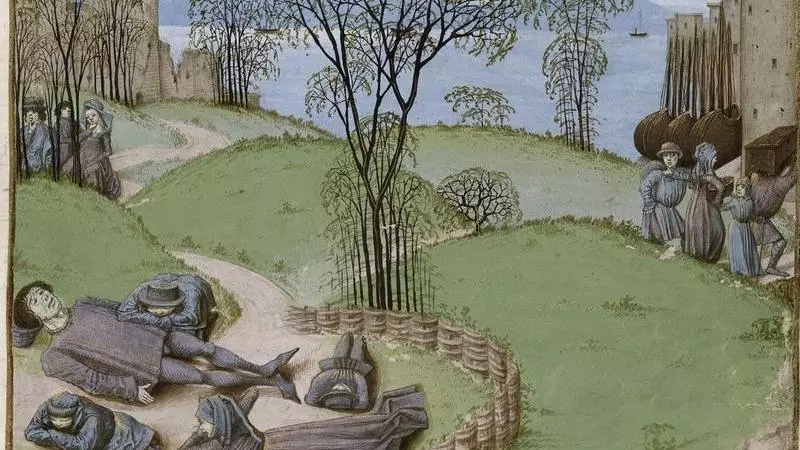
For decades historians have disagreed about the impact of the Black Death of 1348-9. Some have dismissed it as an inconsequential blip in England’s long term historical development, others have regarded it as a turning point in the pathway to modernity.
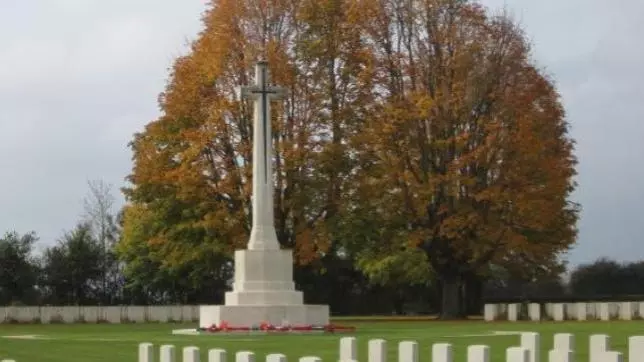
Soldiers’ bodies, commemoration, & cultural responses to exhumations in the Great War
In March 1915, to avoid the unsanitary transportation of war casualties, the British government issued a ban on the exhumation and repatriation of Imperial soldiers, which was to be observed until the end of hostilities.
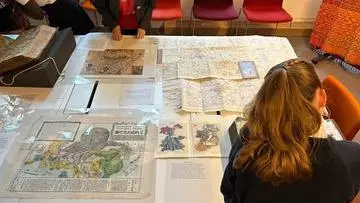
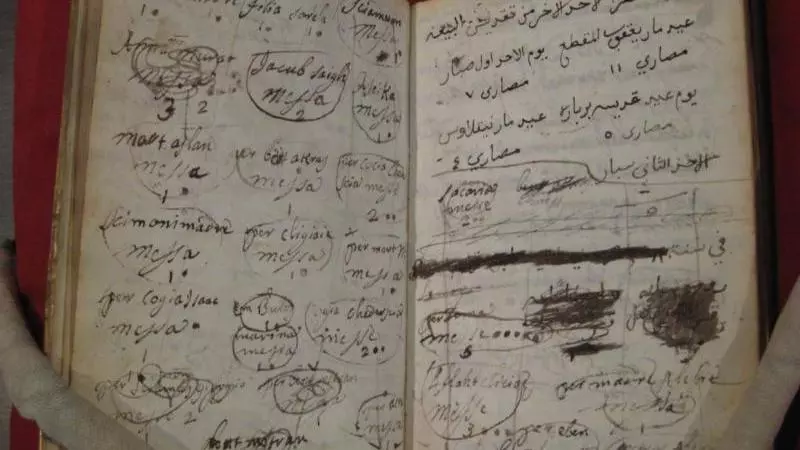
Stories of Survival: Recovering the Connected Histories of Eastern Christianity in the Early Modern World, c.1500-c.1750
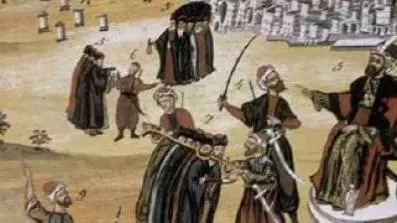
Stories of Survival: Recovering the Connected Histories of Eastern Christianity in the Early Modern World. Stories of Survival, which is supported by a five-year grant of 1.5 million euros from the European Research Council, seeks to demonstrate the importance of Eastern Christianity to early modern European, Islamic, and global history.
Teaching Resources
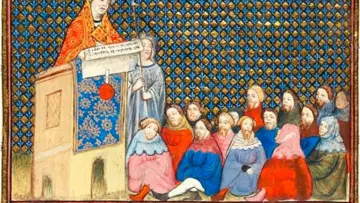
Following the success of its trial run in 2017, the Faculty of History is expanding its creation of teaching resources for GCSE students, continuing its focus on ‘Migration, Empire and the Peoples’ and emphasising the long history (starting in 970 AD) of British inter-connectedness with the wider world.

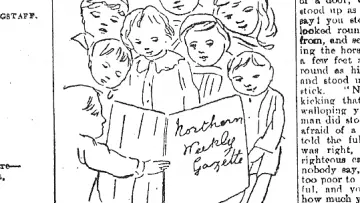
The History of Childhood in Modern Britain
All societies establish norms that regulate the environment, interactions and care of those who are most vulnerable, especially children. The boundaries used to categorise acts and impacts as harmful or unacceptable, however, are historically and culturally specific.
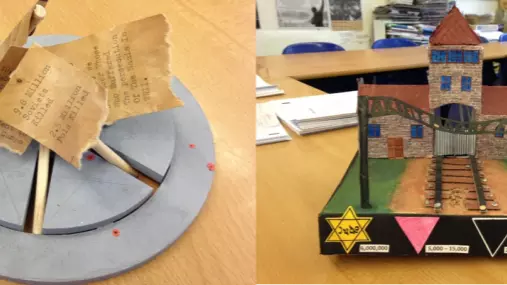
The Vessels of Memory: Mediating Official and Cultural Narratives of the Holocaust in the Classroom
What constitutes collective memory, and where should we look for it? My doctoral thesis aims to comprehend humanities teachers’ memory of the Holocaust, who have functioned as both ‘makers’ and ‘consumers’ of official and cultural historical memories.
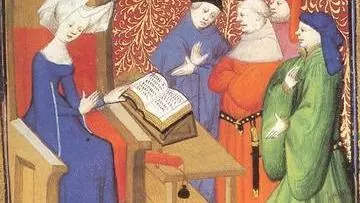
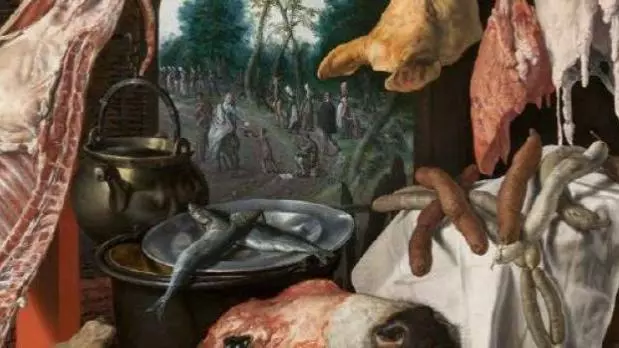
Thinking With Food: The Welcome Rise of Food History
During Lent of 1522, a baker and his friend snuck into a monastery church in Zurich. When discovered by the caretaker and a monk, the baker whipped a sausage out from underneath his cloak and began a heated theological argument. With some difficulty, the monk had the men thrown out of the church, but not before he kept a piece of the sausage as ‘evidence’.
Waterloo 200
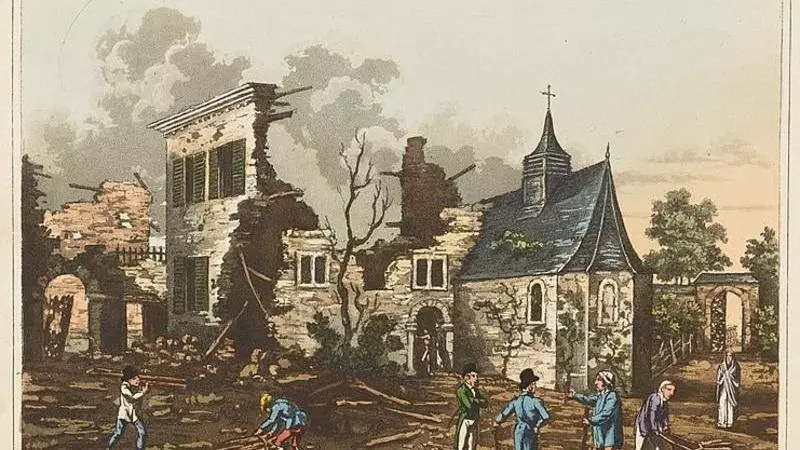
Project Hougoumont is an Anglo-Belgian initiative inspired by the military historian, Richard Holmes, with two objectives: to raise funds for the restoration of Hougoumont in time for the bicentenary of the battle of Waterloo and to give it a secure future as a place of remembrance, education and reconciliation.

“For Some Things to Remain the Same, Everything Must Change”
Edit WYSIWYG
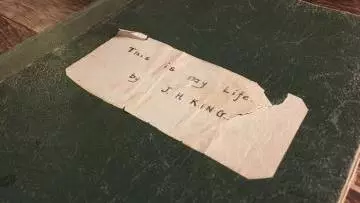
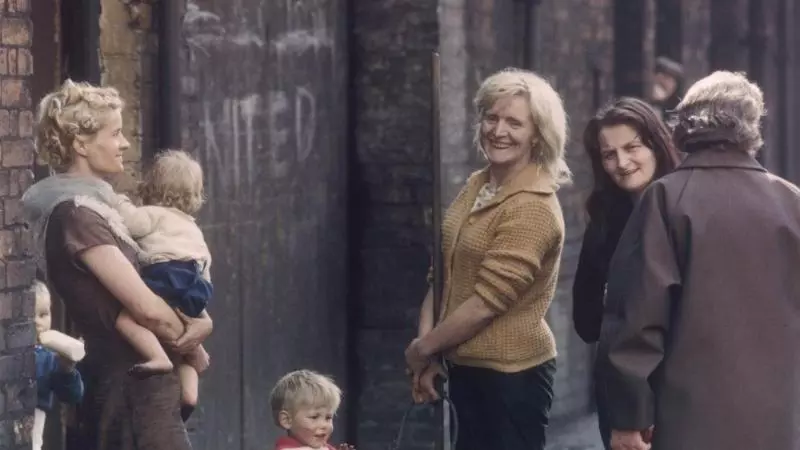
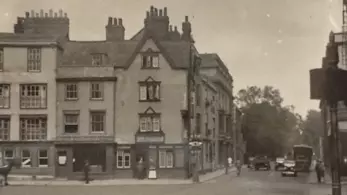
In September 1981, when my doctoral funding ran out, I left Oxford, with an unfinished DPhil thesis and no job: in September 2016 I returned, to take up the Chichele Chair of Medieval History and a fellowship at All Souls College.
“Understanding the Chemocene”: A new venture at the interface between history and chemistry
For more than 200 years, research universities like Oxford have been distinguished by their mission to guide students in their encounter with the frontiers of knowledge, equipping them to become active contributors to society and, in many cases, producers of new knowledge themselves.