Priya Atwal success in Vice-Chancellor’s Awards
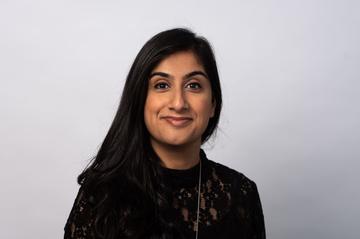
Dr Priya Atwal from the Faculty of History, Humanities Division, was recognised at the Vice Chancellor’s Awards on Thursday 4 June.
Priya was highly commended in the Breakthrough Researcher Award category for her work on Leading the Oxford Community History hub. A wide-ranging and interdisciplinary programme that stimulates and supports Oxford community-led historical projects.
The Vice-Chancellor's Awards recognise the achievements and celebrate success across the University – from academics and researchers to professional, technical and support staff, whether they are in colleges, divisions, departments, central services, libraries, museums or elsewhere.
There were 170 award entries across the 13 categories this year, with over 1,000 individuals included in the nominations.
The Vice-Chancellor Professor Irene Tracey, Vice-Chancellor CBE FRS FMedSci presented the awards at a special ceremony at the Schwarzman Centre for the Humanities on Thursday 4 June.
Priya says:
I was incredibly touched just to be nominated for a 'Breakthrough Researcher' award by my esteemed colleague, Professor Erica Charters. To then be highly commended at the awards ceremony was a huge and extremely pleasant surprise! It is so wonderful to be recognised for my work in developing the Community History Hub at the History Faculty. My role as Oxford's Community History Fellow is truly unique and I feel so lucky to have this job. I am inspired every day by the passionate community historians with whom I am forging new models of research partnerships; as well as by my civic-minded academic colleagues within the Faculty, who have been so supportive of the Community History Hub's endeavours to transform our departmental research environment. This kind of solidarity feels all the more crucial when so many History and Humanities departments are facing devastating cuts across the country, and the scope for producing new historical research is shrinking. I am really proud of the inclusive, innovative research being developed by the Community History Hub, and I hope we can long continue having a positive impact on our region and beyond.
Find out more on the Awards webpage.

