The Wadham Experience
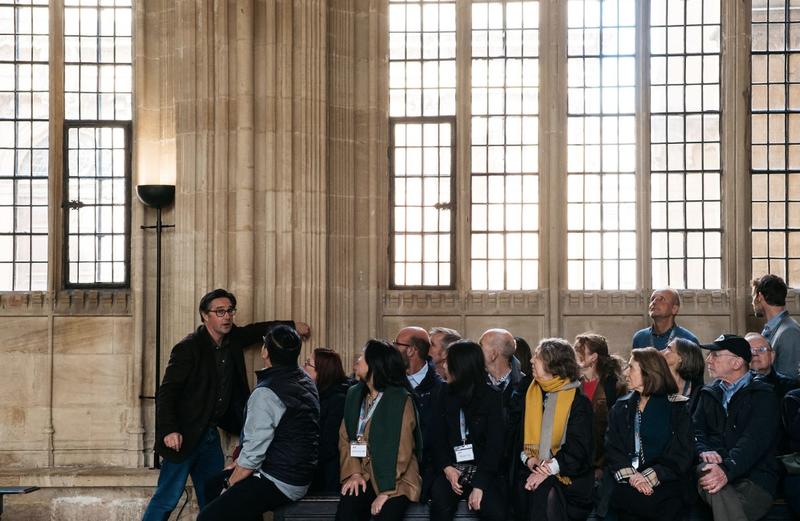
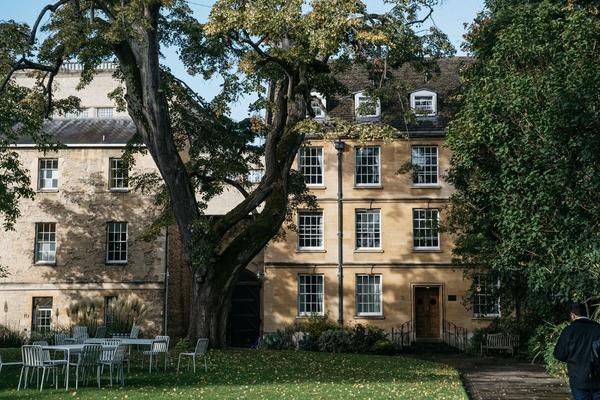
Photo credit: Emma Croman
There's a particular moment that many Oxford alumni recognise: you're walking through a college quad, perhaps years after graduation and something shifts. The stones, the architecture, the weight of centuries: they're all familiar. But this time, you notice things you never saw as an undergraduate. The carved details above a doorway. The way afternoon light falls across the lawn. The profound quiet of a library reading room.
What if you could return to Oxford not as a nostalgic visitor, but as a full participant in its intellectual life? Not to relive your undergraduate years, but to engage with the university's traditions in ways you perhaps didn't fully appreciate the first time around?
This is precisely what The Wadham Experience – a residential intellectual retreat for leaders at Wadham College – offers. It’s chance to step back into Oxford's scholarly world with the perspective, curiosity and appreciation that only comes with time.
An intellectual pilgrimage
Writing recently in The Times, author and journalist Richard Askwith described The Wadham Experience as "a mind-altering retreat" – high praise, but earned. Over four immersive days at Wadham College, participants engage with the very best of what Oxford has always given: rigorous intellectual inquiry, intimate tutorials and the kind of discourse that happens when curious minds gather in historic surroundings.
For History graduates in particular, the programme offers something rare. You return to the discipline not as a student cramming for exams, but as someone with lived experience, professional accomplishments and questions that matter deeply. The conversations are different. The insights land differently. And perhaps most importantly, you have the luxury of time – time to think slowly, critically and expansively about ideas that shape our world.
Two themes, one tradition
The 2026 programmes explore themes with particular resonance for those trained in historical thinking.
Thinking Critically: Civilisation on the Edge (13-18 September) examines the forces that have shaped and continue to reshape societies, cultures and systems of power. From the rise and fall of empires to evolving ideas of democracy, identity and progress, the week grounds contemporary challenges in deep historical context.
Thinking Clearly: Attention in a Cacophonous World (6-11 September) takes a different approach, exploring how we cultivate focus and meaning when distraction surrounds us. But even here, history plays a vital role – understanding how past societies framed attention, managed information overload and created space for contemplation offers surprising insights for modern leadership and life.
Both programmes are led by Oxford scholars and other professionals at the top of their fields, delivering content with the intellectual rigour you'd expect, but in ways that feel accessible, provocative and deeply relevant to the questions participants bring with them.
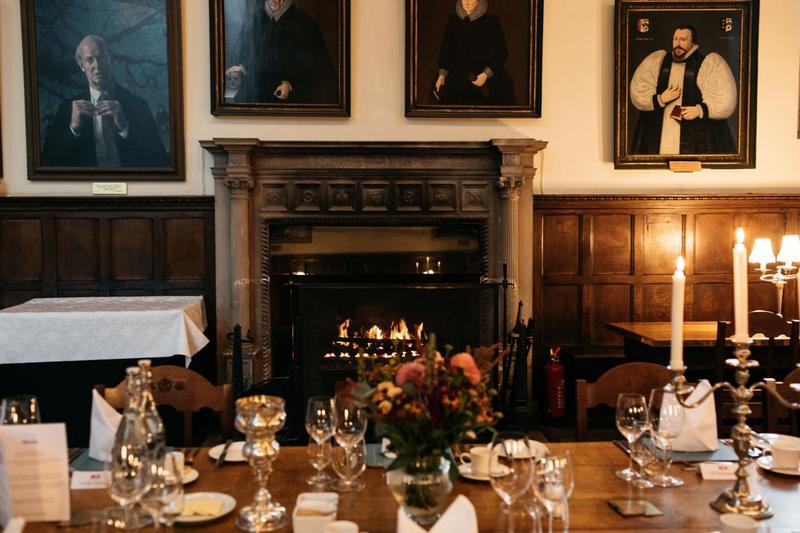
Photo credit: Emma Croman
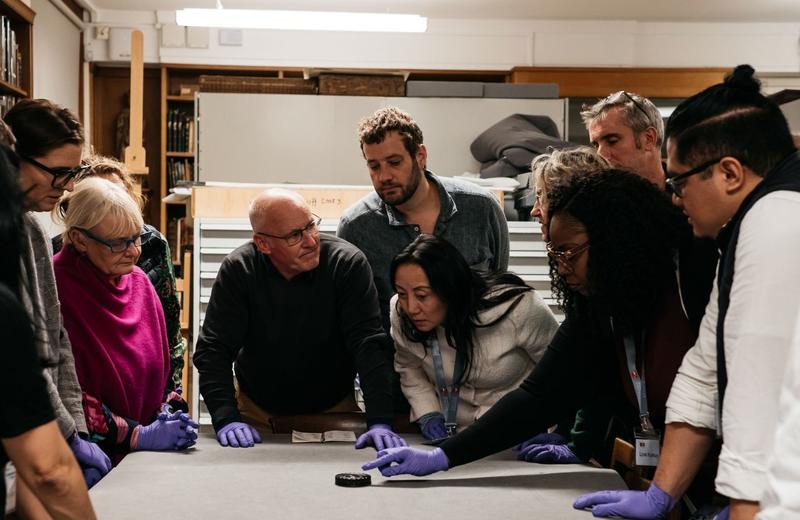
Photo credit: Emma Croman
The tutorial, revisited
One of the most distinctive elements of The Wadham Experience is the Oxford tutorial – that intimate, challenging one-to-one (or small group) engagement with a scholar in their field. But this time, you choose your topic. You arrive with questions you've been wrestling with professionally or personally. You're not being assessed, you're being taken seriously as a thinker.
For many alumni, particularly those who felt they didn't make the most of their tutorials as undergraduates, this is revelatory. One 2025 participant, a Wadham History alumnus, reflected: "It's an opportunity to engage meaningfully and intellectually with the college again – not just by having dinner in Hall, but actually getting stuck into the incredible world-class offering that Wadham has."
Beyond the classroom
Of course, Oxford's intellectual life has never been confined to lecture halls and libraries. The Wadham Experience embraces this fully, weaving cultural immersion throughout the week. Participants have behind-the-scenes access to rare manuscripts in the Bodleian, private viewings at the Ashmolean, visits to conservation studios and encounters with craftspeople such as violin makers and bookbinders whose work connects past and present in tangible ways.
There are concerts in intimate college spaces. Walks through Oxford's historic quarters with guides who reveal hidden stories. Candlelit dinners in Hall where conversations range from ancient Athens to contemporary AI ethics, often in the same breath. It's immersive in the way only Oxford can be – where every stone has a story and every conversation seems to matter a little more.
A community of curious minds
What makes the experience truly distinctive, however, is the people. The cohorts are intentionally small and carefully curated to bring together diverse perspectives – business leaders, entrepreneurs, policy experts, artists, academics and alumni returning to Oxford with fresh eyes.
Over the week, something remarkable happens. A former government official debates political philosophy with a tech founder. A management consultant discovers unexpected common ground with a museum director. The conversations that begin in seminars continue over wine in the Senior Common Room, at breakfast the next morning and often long after everyone has returned home.
Many participants describe leaving not just with new insights, but with a renewed sense of intellectual vitality. That feeling you perhaps remember from your best undergraduate moments – when an idea suddenly clicked or a tutorial question kept you thinking for days – returns. But now you have the life experience to do something with it.
Why now?
We live in complicated times. The challenges facing leaders, organisations and societies don't yield to quick fixes or simple frameworks. They require exactly what history teaches: the ability to see patterns across time, to hold complexity without reducing it, to think critically about received wisdom and to draw insights from how humans have navigated uncertainty before.
The Wadham Experience creates space for precisely this kind of thinking. Not as an escape from the real world, but as essential preparation for engaging with it more effectively.