

Joyce Butler and the Sex Discrimination Act
by Lyndsey Jenkins
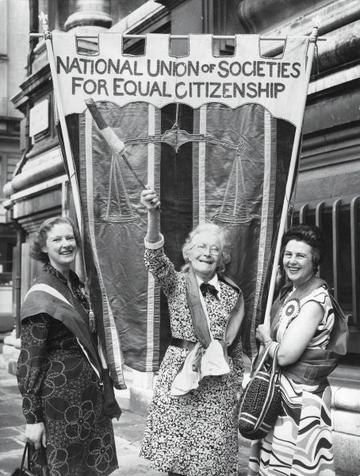
Suffragist Dame Margery Corbett Ashby with Fawcett Society members Virginia Novarra and Pamela Anderson at a meeting to call for anti-discrimination legislation, 18 June 1973. PA Photos/TopFoto
After a long battle, Britain’s Sex Discrimination Act came into force in 1975. What did it do for women?
The 50th anniversary of women’s suffrage in 1968 prompted a moment of soul searching for many women frustrated at how little progress seemed to have been made towards equality. One of these was Joyce Butler, the backbench Labour and Co-operative MP for Wood Green. Having had a longstanding interest in women’s rights, she had been instrumental in campaigning to make cervical cancer screening available nationwide. In autobiographical notes later in life she spoke of a sense of ‘unfinished business’.
One day she learned of a woman bus conductor who wanted to become a bus inspector, but could not get the necessary experience to take this step because her employer did not hire women to drive buses. Butler reflected:
Like the light on the Road to Damascus, I realised that this job-and-training discrimination was the key to women’s failure to advance. We already had legislation against race discrimination – what was needed was a similar law for women.

