

Life and Death in Tudor Prisons
An exciting new research project from the Oxford History Faculty
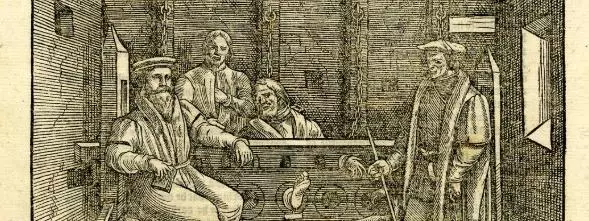
Professor Steven Gunn and Dr Tomasz Gromelski are leading a new research project, funded by the AHRC Curiosity Award scheme, which aims to transform our patchy understanding of Tudor imprisonment.
Working with a number of heritage sites across the country, the project seeks to ask who was in prison, why they were there, and how, other than execution, they died.
At present there are good accounts of the life of the London prisons, where traitors and religious dissidents joined metropolitan debtors and moral offenders. Yet remarkably little is known about the great mass of prisoners, held for everyday crimes – theft, murder, witchcraft – or for debt in county, town and episcopal gaols.
Using around 9,000 coroners’ inquests, which supply details of illnesses and deaths during imprisonment, the project aims to reframe scholarly and popular understanding of Tudor imprisonment. Working with Dr Leah Astbury of the University of Bristol it will also ask what light death in prison sheds on the health of the wider Tudor population.
The heritage partners with whom the team will work to present the findings to visitors include Oxford Castle, where the research will feed directly into programming for the 20th anniversary of the site’s opening to the public, and Lincoln Castle. A project advisory board, including senior representatives from Norwich Castle Museum and Art Gallery and English Heritage, will ensure the research has wider heritage sector reach and impact.
Emily Denmark, Operations Duty Manager at Oxford Castle & Prison, said
The research will contribute to a deeper understanding of the site’s heritage and history, and shape future narratives. This is especially meaningful as Oxford Castle & Prison marks 30 years since the prison’s closure and 20 years since opening to the public.
Cllr Natalie Oliver, executive councillor for culture at Lincolnshire County Council, said:
I am thrilled that Lincoln Castle has been chosen as one of just a handful of heritage partners to contribute to this groundbreaking University of Oxford research project. Lincoln Castle operated as a prison for more than 900 years, but we know very little about the offenders that served time there before the current prison was built in 1788. Who were they? Where did they come from? What crimes did they commit? This exciting project has the potential to transform our understanding of how the castle was used in the Tudor period, helping us to tell more chapters of the monument's incredible story.
The project is supported by and developed with Dr Rachel Delman in the Divisional Heritage Partnerships team.
What is the Curiosity Award scheme?
The AHRC Curiosity Award scheme offers flexible awards to fund fundamental research that leads to new research agendas.
Life and Death in Tudor Prisons is the first Curiosity Award success for the Humanities Division at The University of Oxford.