
Dr Rachel Herrmann
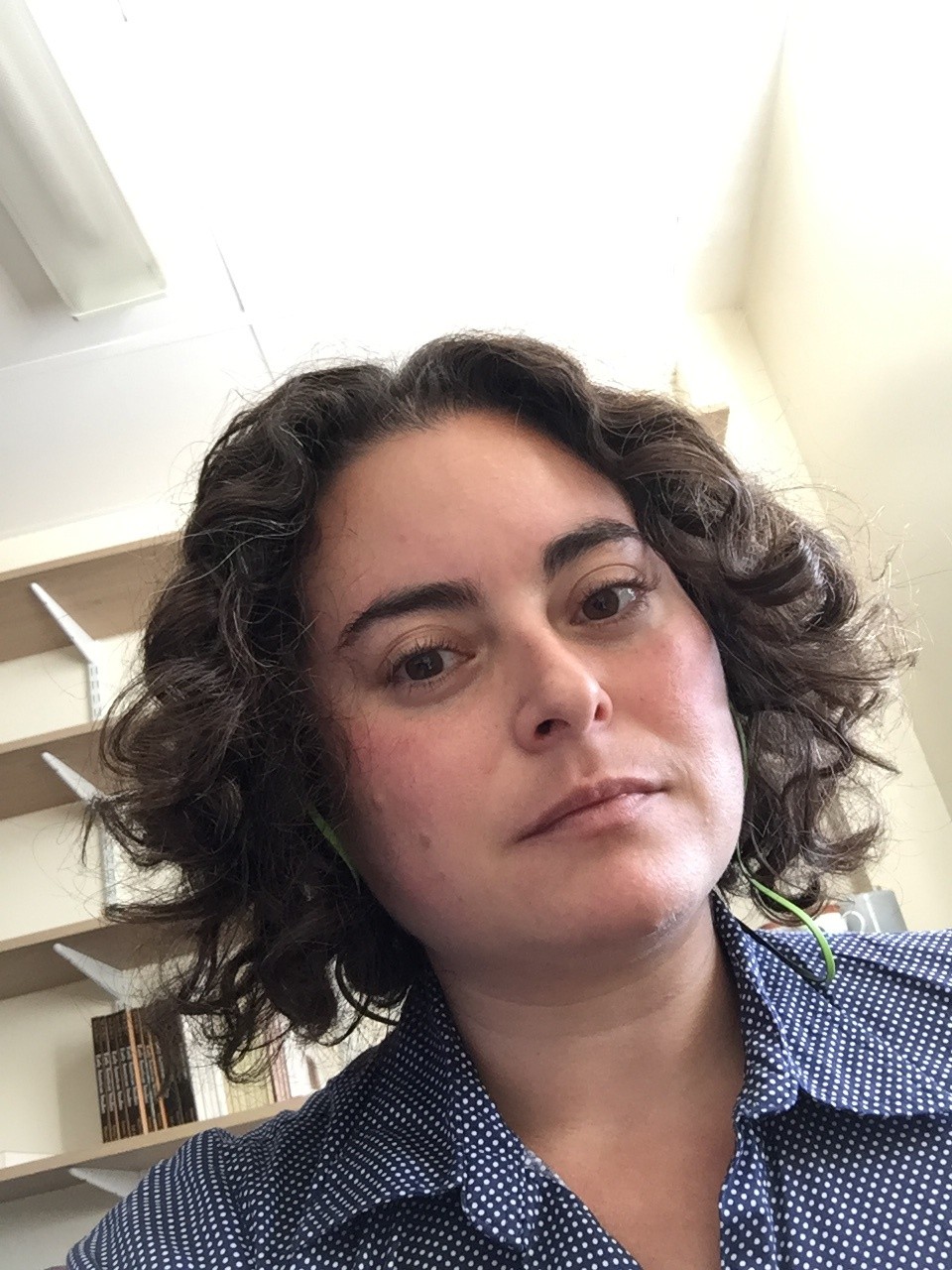
Senior Fellow, Koch History Centre
Wadham College
rachel.herrmann@history.ox.ac.uk
My research and publications sit at the intersection of early American history and food studies from the 1500s to the mid-1800s, focusing on eighteenth-century Native American, English, Spanish, and American food, hunger, maps, and waterways.
Research Interests
At the Koch History Centre I am spending the 2026-27 academic year revising my next book, Water, Hunger, and Borders in the Gulf South, which has won funding from the Eccles Institute for the Americas and Oceania, the John Carter Brown Library, the Newberry Library, and the Leverhulme Trust. This project shifts our understandings of scarcity, power, and knowledge by attending to bays, coasts, islands, rivers, and swamps. In dealing with the homelands of Indigenous people who used their control of abundant waterways to manage scarcity better than colonists, the project traces overlapping histories of beef, corn, fish, nut milk, river cane, and venison. My research, which draws extensively on eighteenth-century manuscript maps, is interested in sharpening historians’ abilities to say which foodstuffs constituted food knowledge, and to identify the Indigenous and African people who made and remade that knowledge through their management of animals and water and terrestrial plants. In so doing Water, Hunger, and Borders will reframe what we know about scarcity and abundance in what became the United States. My publications deal with cannibalism during Jamestown’s ‘Starving Time’, cattle and cattle knowledge, food diplomacy, food laws and food riots, hunger at sea, and taste and work. I am also co-editor for the peer-reviewed journal Global Food History and chair the committee for our Prize for an Emerging Food Historian.
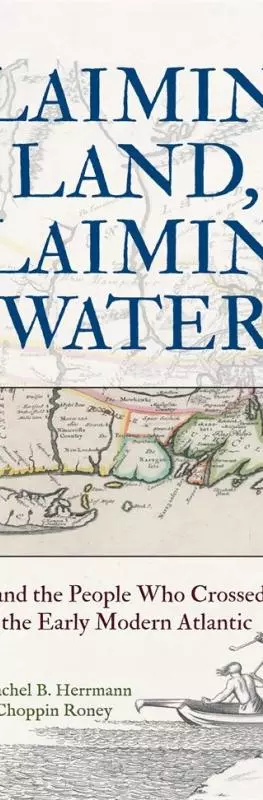
Claiming Land, Claiming Water
University of Pennsylvania Press, 2026
Claiming Land, Claiming Water shares what historians and geographers wish readers knew about maps and borders before, during, and after the founding of the United States. The essays collected in this volume model how people can learn to interpret maps as arguments, rather than as historical facts, and to read maps for evidence of people and places that were elided, renamed, or destroyed.
In the Media
- 25 June 2026 - George III - 'Tyrant' King of the American Colonies? - Historic Royal Palaces Podcast.