Carlo Ginzburg Reading Group Session Four: High & Low, Inside Out
Wednesday 3 March, 12:30-14:00
Venue: Room 20.501, Faculty of History, Schwarzman Centre
Session Four: High & Low, Inside Out
‘High and Low: The Theme of Forbidden Knowledge in the Sixteenth and Seventeenth Centuries’, Past & present 73 (1976): 28–41.
‘The Dovecote Has Opened Its Eyes: Popular Conspiracy in Seventeenth-Century Italy’, in Inquisition in early modern Europe, ed. Gustav Henningsen and John Tedeschi with Charles Amiel (DeKalb, Illinois, 1986), 190-198 (ed. or. 1978)
‘Alien Voices: The Dialogic Element in Early Modern Jesuit Historiography’, in History, Rhetoric, Proof (Hanover and London, 1999), 71-91
‘Provincializing the World: Europeans, Indians, Jews (1704)’, Postcolonial studies, 14, 2 (2011): 135-150
Also suggested:
‘Witchcraft and Popular Piety: Notes on a Modenese Trial of 1519’, in Clues, Myths, and the Historical Method (Baltimore, 1986), 96-125 (first published 1961).
‘Afterword: The Night Battles, Fifty Years Later’, in The Night Battles: Witchcraft and Agrarian Cults in the Sixteenth and Seventeenth Centuries, updated edition (Baltimore, 2026), 137-150 (first published 2020)
Also suggested:
‘Lorenzo Valla on the “Donation of Constantine”’, in History, Rhetoric, Proof (Hanover and London, 1999), 54-70 (first published 1994).
‘Checking the Evidence: The Judge and the Historian’, Critical Inquiry 18 (1991): 79-92.
About the Carlo Ginzburg Reading Group
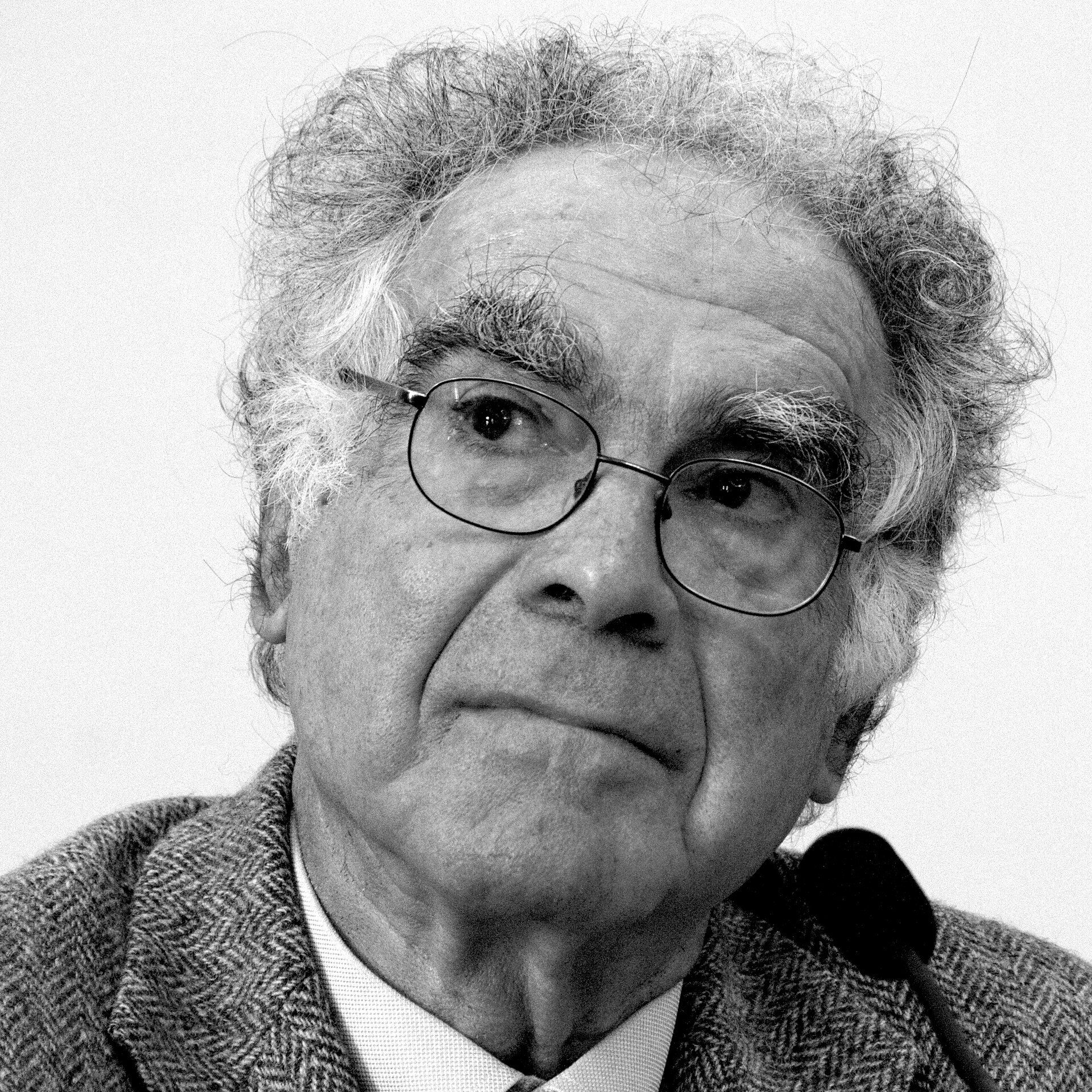
Renowned worldwide for The Cheese and the Worms (1976) and his other masterpieces of microhistory, Carlo Ginzburg (1939–2026) was one of the most inspiring historians of our time. This special reading group offers a unique opportunity to critically engage with his scholarship, constantly inspired by original historical questions, carefully tested analytical categories, as well as civic engagement.
The Carlo Ginzburg Reading Group consists of four meetings: two in Michaelmas Term 2026 and two in Hilary Term 2027. During these sessions, we will discuss a selection of Ginzburg's most representative and thought-provoking writings from the early 1960s onwards, ranging from his earliest to his most recent works. After an initial session on his seminal works on microhistory, we will examine the lesser known yet equally illuminating contribution of Ginzburg's studies of witchcraft to comparative and global history. We will then move on to his impassioned reflections on the foundations of historical knowledge and conclude with a session on the intersection between Ginzburg's initial interest in popular culture and his subsequent engagement with the potential applications and limitations of European records in investigating cultural processes worldwide.
The Carlo Ginzburg Reading Group is open to all. Coffee will be provided. Participants are welcome to bring their own sandwiches.
Convenors: Filippo de Vivo (St Edmund Hall, filippo.devivo@history.ox.ac.uk) and Giuseppe Marcocci (giuseppe.marcocci@history.ox.ac.uk).
Photo and credit: © Claude Truong-Ngoc / Wikimedia Commons.