PI: Dr. Ida Toth (Oxford) & Dr. Nicholas Melvani (Johannes Gutenberg-Universität Mainz)
Mount Athos and the Politics of Piety
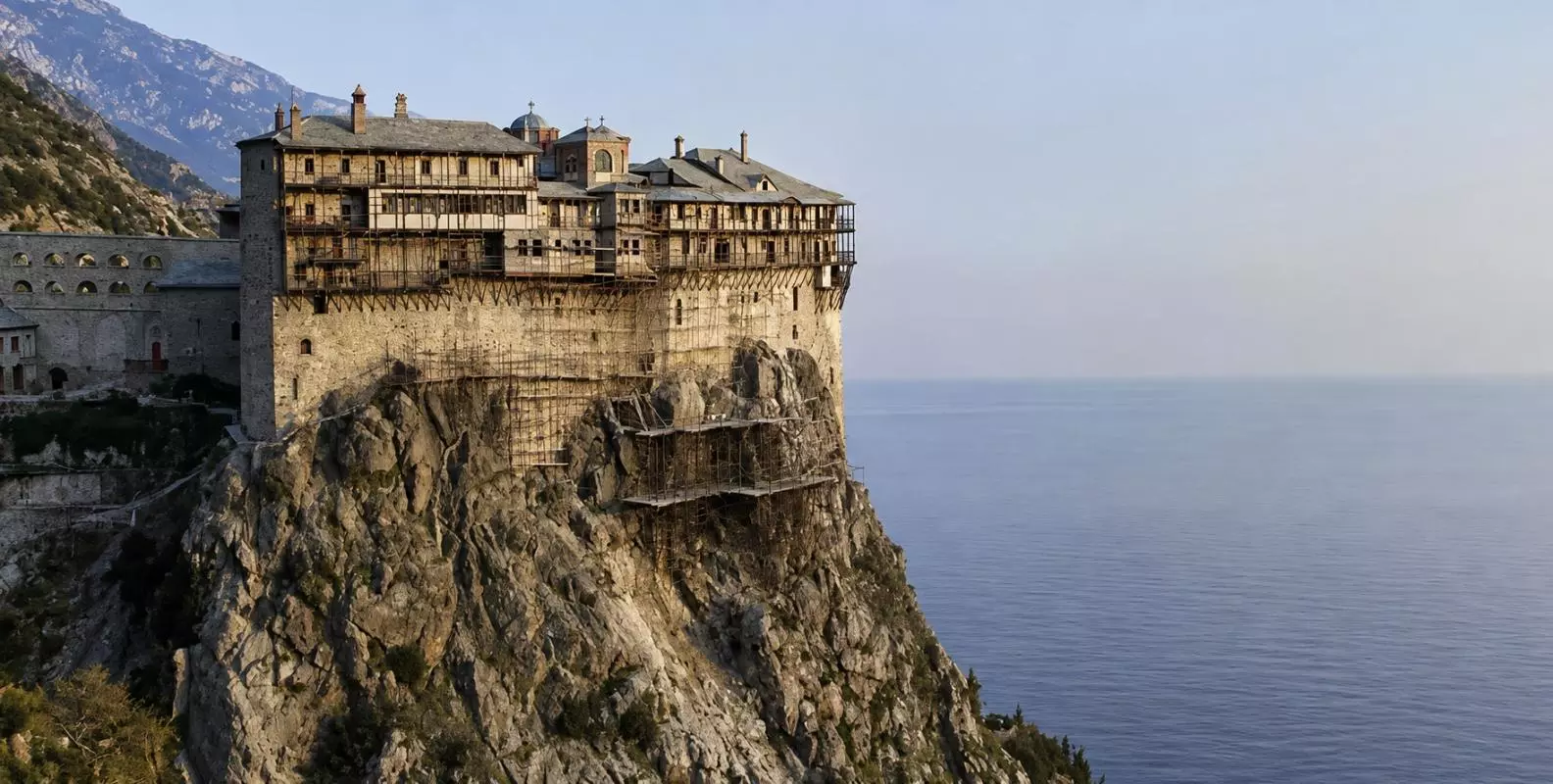
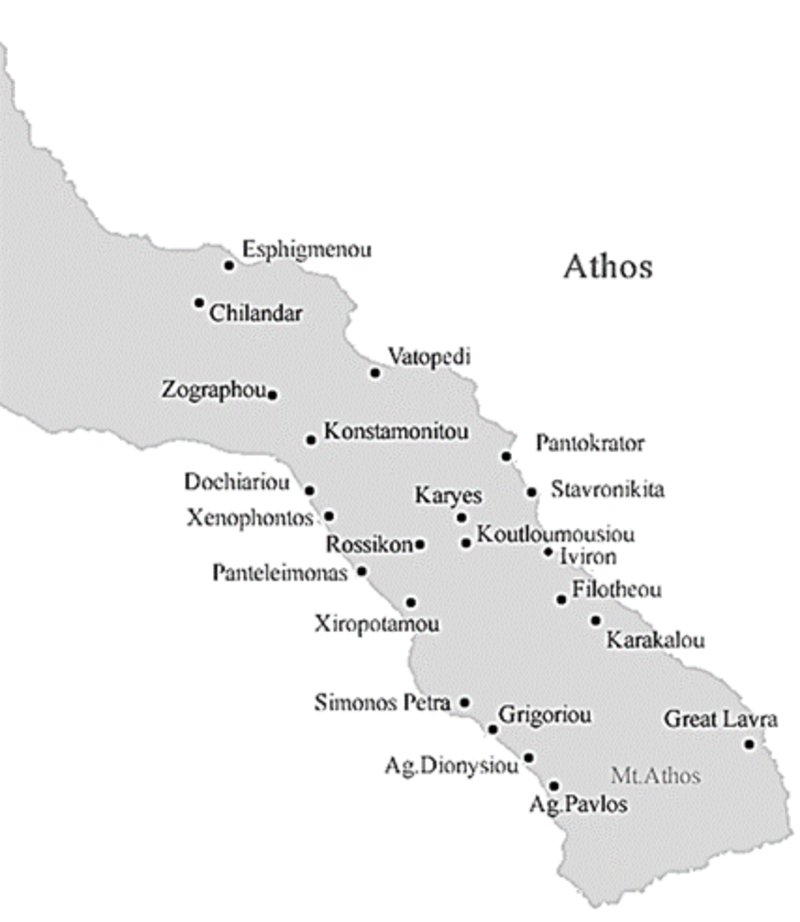
Mount Athos (Northern Greece) stands as a testament to remarkable historical resilience. Originally an isolated refuge for hermits wishing to withdraw from secular life, this rocky peninsula developed into one of the best organised and most populous religious centres in medieval Europe. Throughout the medieval period, the peninsula’s coenobitic monasteries – most of them founded during the 10th and 11th centuries – attracted the patronage of a diverse array of elites from the Eastern Mediterranean, the Balkans, Anatolia, and the Caucasus. Its history is not only one of spiritual continuity, but also of sustained engagement with the shifting imperial and regional powers. A focal point for both religious devotion and political ambition in the Byzantine and Ottoman worlds, Mount Athos (also known as the Holy Mountain) cultivated a legacy that continues to shape modern Orthodox Christianity.

Kings Levan and Alexander II of Kakheti (Philotheou Monastery).
